
Sailing across open water offers freedom, independence and access to places few people experience. Whether you are planning a coastal route or a longer offshore journey, preparation remains one of the most important parts of safe and enjoyable sailing.
From safety equipment and essential documents to power management and daily onboard living, every item onboard plays a role in keeping your journey efficient and secure.
This guide outlines the key equipment, checks and documentation you should carry before setting sail, while also exploring how reliable onboard renewable energy can support longer adventures at sea.
Preparing for a Safe Sailing Journey
Before leaving the harbour, every skipper should complete a full inspection of the vessel. Small issues discovered early can prevent serious problems later offshore.
Essential Pre-Departure Safety Checks
Hull and Deck Inspection
Check for:
- Cracks or damage to the hull
- Loose fittings or deck hardware
- Signs of water ingress
- Condition of guard rails and lifelines
- Secure hatches and seals
Engine and Fuel System
Inspect:
- Oil and coolant levels
- Fuel lines for leaks
- Fuel quantity and reserve capacity
- Belts and filters
- Battery charge levels
Navigation and Communication Equipment
Ensure all systems are operational:
- GPS and chartplotter
- VHF radio
- AIS system
- Navigation lights
- Radar if installed
- Compass calibration
Rigging and Sails
Examine:
- Standing rigging tension
- Running rigging wear
- Sail condition and stitching
- Winches and blocks
- Mast fittings and spreaders
Safety Equipment Every Sailor Should Carry

Safety equipment should always meet current maritime regulations and be suitable for your cruising area.
Mandatory Safety Essentials
Life Saving Equipment
Carry:
- Approved lifejackets for every person onboard
- Liferaft suitable for offshore use
- Lifebuoys and throw lines
- Personal locator beacons
- Harnesses and jackstays
Emergency Equipment
Include:
- EPIRB beacon
- Flares within expiry date
- Waterproof torches
- Emergency grab bag
- First aid kit
- Fire extinguishers
- Fire blanket
Medical Supplies
Your onboard medical kit should contain:
- Seasickness medication
- Sterile dressings
- Bandages and tape
- Pain relief medication
- Antiseptic treatments
- Emergency contact details
- Prescription medication for crew members
Important Documents to Carry While Sailing
When docking in different marinas, harbours or international ports, documentation is essential. Missing paperwork can lead to delays, fines or refusal of entry.
Vessel Documentation
Always carry:
- Boat registration certificate
- Proof of ownership
- Insurance documents
- Radio licence
- Engine serial numbers and records
- Service history
Personal Identification
Every crew member should have:
- Passport
- Visa documentation where required
- Sailing qualifications or licences
- Medical insurance details
- Emergency contact information
Customs and Port Entry Documents
For international cruising:
- Crew list
- Clearance papers
- Customs declarations
- Port authority forms
- Vaccination documentation if requested
Store digital backups securely online and keep waterproof physical copies onboard.
Navigation and Route Planning Essentials
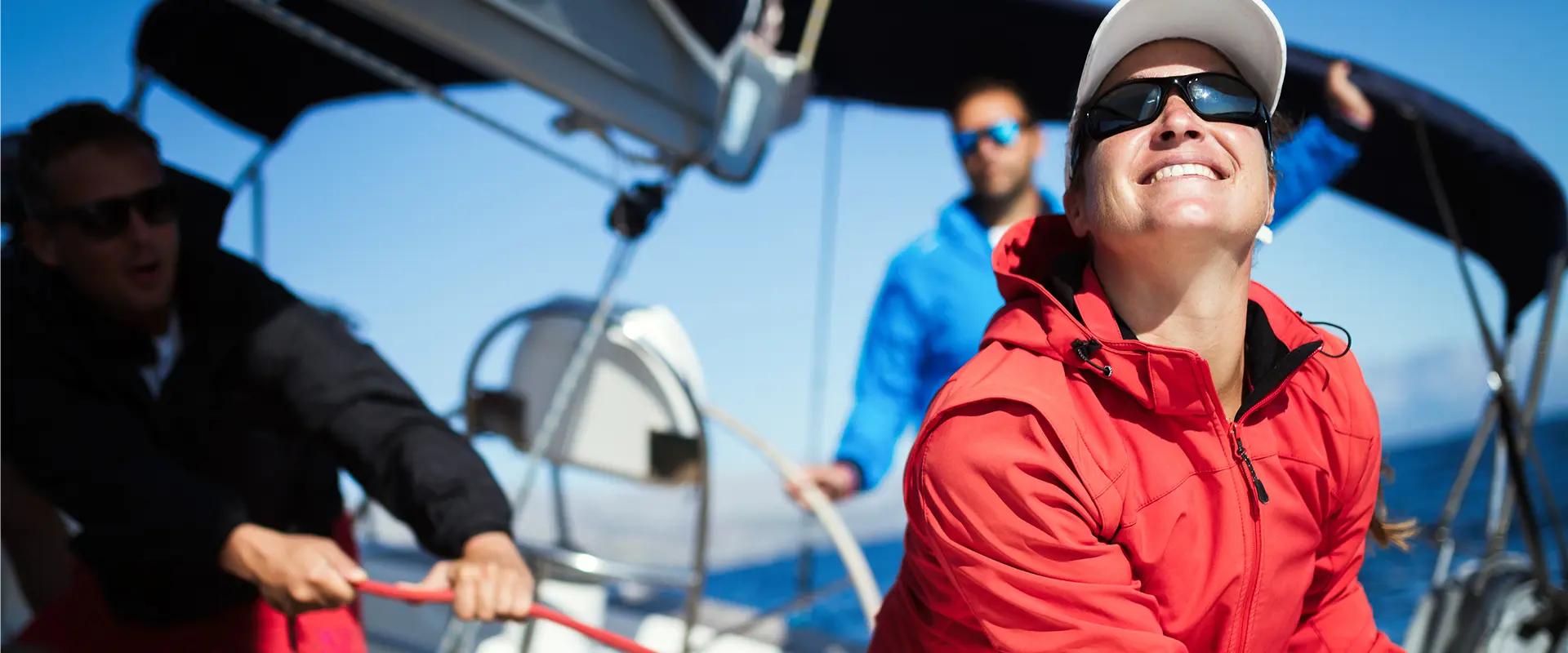
Preparation offshore relies heavily on planning ahead.
What to Carry for Navigation
- Updated paper charts
- Tide tables
- Pilot books
- Handheld GPS backup
- Binoculars
- Weather forecasting tools
- Notebook and logbook
Even with modern electronics, traditional navigation tools remain essential in case of system failure.
Additional Essentials to Bring on Your Sailing Adventure
Alongside safety equipment, navigation tools and important documents, there are also personal essentials that can make your journey more comfortable, practical and enjoyable while travelling across the sea and docking in different locations.
Personal Comfort and Protection
Sun Protection
Extended exposure to sunlight at sea can become intense due to the reflection from the water. Carry:
- High-quality sunscreen
- Lip balm with UV protection
- After sun care products
Quality UV Clothing
UV-protective clothing helps reduce long periods of direct sun exposure while remaining comfortable in warmer conditions.
Weather Ready Clothing
Weather conditions can change quickly offshore, even during summer. Pack:
- Waterproof jackets
- Lightweight layers
- Thermal clothing for colder evenings
- Quick-drying clothing
Hats and Sunglasses
Protection from glare and sunlight is essential while sailing.
- Wide-brim hats or caps
- Polarised sunglasses
- Spare sunglasses if possible
Spec Savers
Spec savers or floating eyewear retainers help prevent glasses and sunglasses from being lost overboard.
Practical Everyday Items
Lanyards for Important Documents
Waterproof lanyards or document holders help keep:
- Passports
- Marina passes
- Boat documents
- Boarding information
secure and accessible while docking in different ports.
Safety Gloves
Good-quality sailing gloves improve grip and help protect hands when handling ropes, winches, and docking lines.
Insect Repellent
Some marinas, anchorages and coastal areas can have high insect activity, especially during summer evenings.
Deck Shoes
Non-slip deck shoes improve safety onboard and help protect deck surfaces.
Flip Flops
Useful for marina showers, short walks ashore or relaxing onboard after sailing.
Entertainment and Relaxation
Long passages and quiet evenings at anchor are part of the sailing experience.
Bring:
- Your favourite books
- Offline games
- Downloaded films or music
- Playing cards
- Portable chargers
Offline entertainment becomes especially useful in remote areas with limited internet connection.
Clothing for Shore Visits
A Nice Outfit for Dining Out
When docking in coastal towns or marinas, many sailors enjoy exploring local restaurants and harbourside dining. Packing a comfortable smart outfit can be useful for evenings ashore.
Every Sailing Trip is Different

The list of what to bring can increase depending on:
- The length of your trip
- Weather conditions
- The countries or marinas you plan to visit
- Crew size
- Activities planned during the journey
Before an incredible sailing adventure, preparation helps you feel ready, organised and confident for the journey ahead. With the right equipment onboard, reliable safety planning and dependable onboard power solutions such as the Rutland 1200 Windcharger, sailors can enjoy greater comfort and independence while exploring offshore destinations.
Food, Water and Daily Living Supplies
Longer passages require careful provisioning.
Fresh Water Supply
Plan:
- Drinking water reserves
- Water purification options
- Spare containers
- Watermaker maintenance kits, if installed
Food Essentials
Carry a mixture of:
- Non-perishable foods
- High-energy snacks
- Emergency rations
- Cooking fuel reserves
Always plan for additional provisions in case of unexpected weather delays.
Reliable Power at Sea Matters
Modern sailing increasingly depends on onboard electronics. Navigation systems, refrigeration, lighting, communications and safety equipment all require dependable energy generation.
While solar panels remain popular, wind power offers an additional layer of reliability, particularly during overnight sailing or overcast conditions.
Supporting Offshore Adventures with the Rutland 1200 Windcharger
For sailors planning longer journeys or extended anchoring periods, the Rutland 1200 Windcharger provides dependable renewable power generation designed specifically for marine environments.
Why Additional Power Generation Matters
Reliable onboard energy helps support:
- Navigation electronics
- Autopilot systems
- Refrigeration
- Battery charging
- Cabin lighting
- Communication equipment
- Safety systems
Benefits of the Rutland 1200 Windcharger
The Rutland 1200 offers:
- High efficiency power generation
- Quiet operation onboard
- Strong performance in marine conditions
- Low wind speed startup
- Reduced reliance on engine charging
- Greater energy independence during long passages
For sailors exploring remote anchorages or spending extended periods offshore, renewable charging solutions can improve both comfort and safety onboard.
Floating Keychains for Important Items
When sailing offshore or moving between marinas, it is surprisingly easy for small items to fall overboard. Keys, tools and essential accessories can quickly disappear into the water during docking, sail handling or routine movement around the vessel.
For this reason, all important items should ideally be attached to floating keychains or buoyant lanyards.
This includes:
- Boat keys
- Marina access cards
- Tool kits
- Handheld GPS devices
- Torches
- Waterproof radios
- Small safety equipment
Floating keychains help improve visibility and increase the chance of recovering dropped items before they sink.
For additional protection, many sailors also use:
- Waterproof pouches
- Carabiners
- Retractable lanyards
- Clip-on storage systems
Simple preventative measures like these can avoid unnecessary stress and replacement costs during your journey.
Docking in Different Harbours and Marinas
Every harbour operates differently. Preparation helps simplify arrivals and overnight stays.
Before Arriving
Check:
- Marina communication channels
- Berthing requirements
- Tide restrictions
- Customs procedures
- Shore power compatibility
- Local regulations
Docking Equipment to Carry
- Mooring lines
- Spare fenders
- Boat hooks
- Shore power cables
- Waterproof gloves
- Portable lighting
Good preparation reduces stress during difficult weather or unfamiliar docking situations.

Final Thoughts
Successful sailing depends on preparation, awareness and reliability. Carrying the correct documentation, maintaining safety equipment and planning your onboard energy supply can make every voyage smoother and safer.
Whether crossing open water for a weekend adventure or preparing for extended offshore cruising, careful preparation allows you to focus on the experience itself.
With dependable equipment onboard and reliable renewable energy support from systems like the Rutland 1200 Windcharger, sailors can travel with greater confidence, independence and efficiency at sea.
Now, if you feel you’re ready, have a great sailing and enjoy.